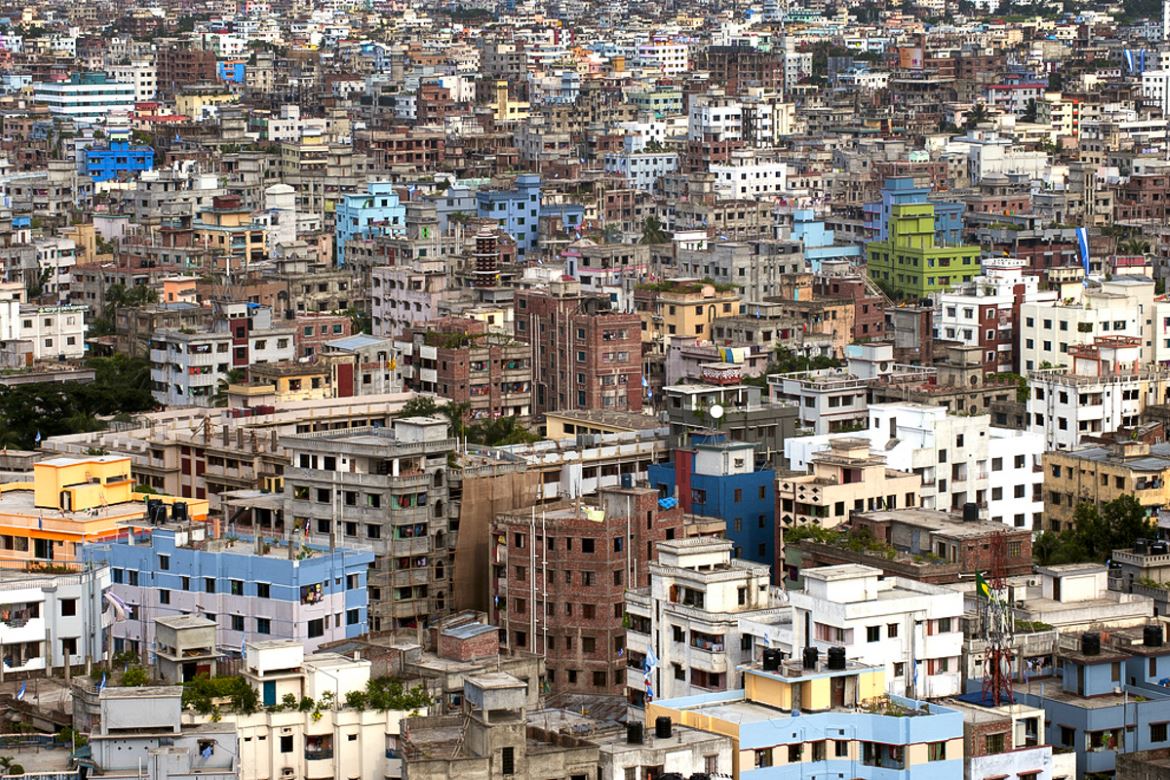
More than half of us live in cities. By 2050, two-thirds of all humanity—6.5 billion people—will be urban. Sustainable development cannot be achieved without significantly transforming the way we build and manage our urban spaces. The rapid growth of cities—a result of rising populations and increasing migration—has led to a boom in mega-cities, especially in the developing world, and slums are becoming a more significant feature of urban life. Making cities sustainable means creating career and business opportunities, safe and affordable housing, and building resilient societies and economies. It involves investment in public transport, creating green public spaces, and improving urban planning and management in participatory and inclusive ways. The world is becoming increasingly urbanized. Since 2007, more than half the world’s population has been living in cities, and that share is projected to rise to 60 per cent by 2030. Cities and metropolitan areas are powerhouses of economic growth—contributing about 60 per cent of global GDP. However, they also account for about 70 per cent of global carbon emissions and over 60 per cent of resource use.