Goal 4 of 17 Ensure inclusive and equitable quality education and promote lifelong learning for all.
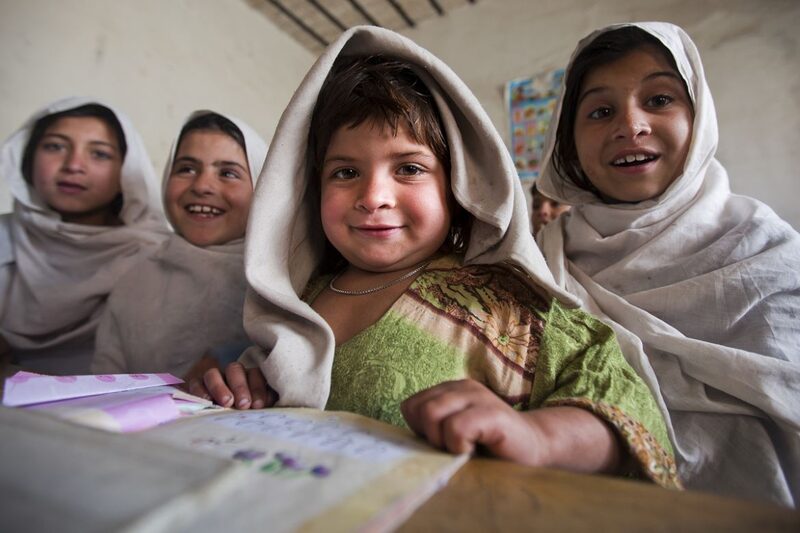
Access to school has improved: an additional 110 million children have enrolled since 2015 and the gender gap in education continues to shrink. But in 2024, about 273 million children, adolescents and young people were still out of school, with rural girls and children from the poorest households most likely to be excluded.
Learning is the deeper crisis. More than half of all children and adolescents worldwide do not reach minimum proficiency levels in reading and mathematics, and over a fifth of primary schools lack basic services such as electricity, drinking water and sanitation. Some 754 million adults — 63 per cent of them women — still cannot read or write.
The pandemic was a shock the system still feels: at its peak in 2020, school closures affected 1.6 billion learners, and learning losses have not been fully recovered. Digital learning helped some students and left others behind, widening the divide that Goal 4 is meant to close.
The goal is free, equitable and quality primary and secondary education for every child, equal access to technical and higher education, and opportunities for lifelong learning — backed by more and better-trained teachers.