Goal 10 of 17 Reduce inequality within and among countries.
Income inequality is still steep: the richest 10 per cent receive up to 40 per cent of global income, while the poorest 10 per cent earn between 2 and 7 per cent. The share of national income going to workers has also been falling — in 2024 the global labour income share was 52.3 per cent of GDP, down from 52.9 per cent in 2015, a loss equivalent to about $255 per worker per year that falls hardest on low-paid workers.
Inequality is visible in everyday conditions: on average, almost one in five people lives below 50 per cent of their country's median income, and about 1.1 billion people live in slums or informal settlements. Migrants' remittances have reached record highs, but the average cost of sending money home is still more than double the 3 per cent target, which eats into the very income the money is meant to protect.
Progress in social protection matters: coverage passed half the world's population in 2023, but low-income countries have improved barely at all since 2015, and fiscal space in heavily indebted countries is shrinking.
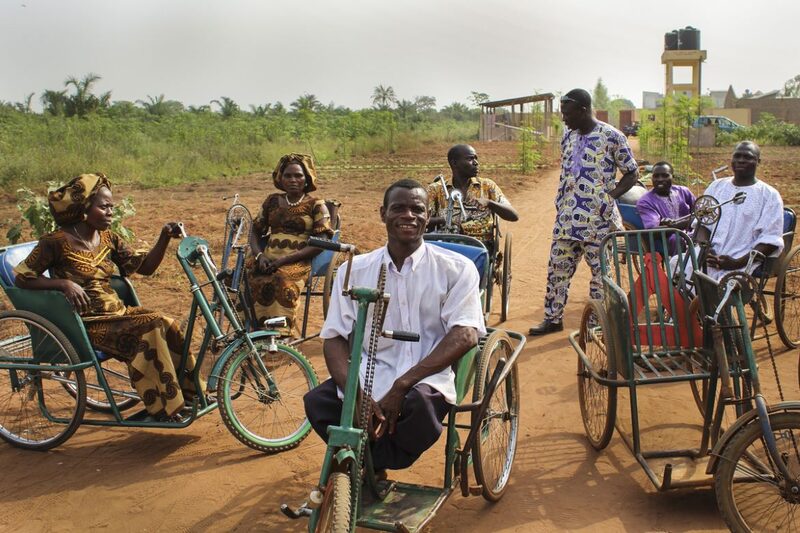
Goal 10 calls for income growth for the bottom 40 per cent, inclusion regardless of age, sex, disability, race, ethnicity, origin, religion or economic status, fair migration policies, and a stronger voice for developing countries in global economic decisions.